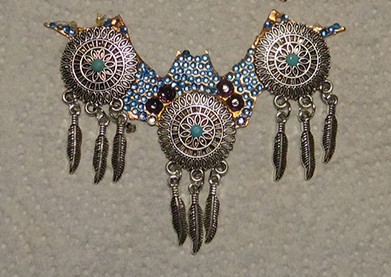
Crafting Gothic Jewelry: The Art of Lucian Seraphis
- The Wanderer
- Aug 17
- 4 min read
Gothic jewelry has a unique allure that captivates many, blending dark elegance with intricate craftsmanship. Among the artisans in this niche, Lucian Seraphis stands out for his ability to transform raw materials into stunning pieces that tell a story. This blog post will explore the artistry behind Gothic jewelry, the techniques employed by Lucian Seraphis, and how you can appreciate or even create your own Gothic-inspired pieces.
The Allure of Gothic Jewelry
Gothic jewelry is not just an accessory; it is a statement. It often features elements like:
Dark gemstones: Onyx, garnet, and obsidian are popular choices.
Intricate designs: Filigree work, skull motifs, and religious symbols are common.
Unique materials: Silver, leather, and even bone can be incorporated.
This style appeals to those who appreciate the darker side of beauty, often resonating with themes of mystery, romance, and the macabre.
Who is Lucian Seraphis?
Lucian Seraphis is a renowned jewelry designer known for his Gothic creations. His work is characterized by:
Attention to detail: Each piece is meticulously crafted, showcasing his dedication to the craft.
Innovative designs: Lucian often combines traditional Gothic elements with modern aesthetics.
Personal storytelling: Many of his pieces are inspired by personal experiences or historical events, adding depth to their beauty.
Lucian's journey into the world of jewelry began in his youth, where he was fascinated by the stories behind ancient artifacts. This passion led him to study various techniques and styles, ultimately culminating in his unique approach to Gothic jewelry.
Techniques Used in Gothic Jewelry Making
Creating Gothic jewelry requires a blend of traditional craftsmanship and modern techniques. Here are some methods commonly used by artisans like Lucian Seraphis:
Metalworking
Metalworking is at the heart of jewelry making. Techniques include:
Casting: This involves pouring molten metal into a mold to create intricate shapes.
Forging: Metal is shaped by hammering, allowing for unique textures and forms.
Soldering: Joining metal pieces together using heat and a filler metal.
Stone Setting
Setting stones is crucial in Gothic jewelry. Common methods include:
Prong setting: Stones are held in place by metal prongs, allowing light to pass through.
Bezel setting: A metal rim encircles the stone, providing a secure fit and a sleek look.
Engraving and Etching
Engraving adds a personal touch to jewelry. Techniques include:
Hand engraving: An artisan uses a tool to carve designs directly into the metal.
Chemical etching: A resist is applied to the metal, and acid is used to create intricate patterns.
Finishing Techniques
The final touches can make a significant difference. Techniques include:
Polishing: This enhances the shine and smoothness of the metal.
Oxidizing: A chemical process that darkens the metal, giving it an aged appearance.
The Inspiration Behind Lucian's Work
Lucian draws inspiration from various sources, including:
Literature: Gothic novels often inspire his designs, reflecting themes of love, loss, and the supernatural.
History: Ancient artifacts and medieval architecture influence his choice of materials and motifs.
Nature: The beauty of the natural world, particularly in its darker aspects, often finds its way into his creations.
Example: The Raven Pendant
One of Lucian's signature pieces is the Raven Pendant. This piece features:
A detailed raven crafted from sterling silver.
Onyx eyes that add a striking contrast.
An intricate chain that complements the pendant's design.
The raven symbolizes mystery and intelligence, making it a perfect representation of Gothic themes.
How to Appreciate Gothic Jewelry
Understanding the artistry behind Gothic jewelry can enhance your appreciation for these unique pieces. Here are some tips:
Research the designer: Knowing the story behind the artist can add depth to your understanding of the piece.
Examine the craftsmanship: Look for details like engraving, stone setting, and overall design.
Consider the symbolism: Many Gothic pieces carry deeper meanings, so take time to explore what they represent.
Creating Your Own Gothic Jewelry
If you're inspired by Lucian Seraphis and want to try your hand at creating Gothic jewelry, here are some steps to get started:
Gather Materials
You'll need:
Metal: Silver or brass are good starting points.
Gemstones: Choose dark stones like onyx or garnet.
Tools: Basic jewelry-making tools like pliers, soldering iron, and files.
Learn Basic Techniques
Start with simple techniques:
Wire wrapping: A great way to create pendants and earrings.
Beading: Incorporate beads into your designs for added texture.
Experiment with Designs
Don't be afraid to get creative. Sketch out your ideas and try different combinations of materials and techniques.
Seek Inspiration
Look for inspiration in Gothic literature, art, and nature. Visit museums or browse online galleries to see what resonates with you.
The Future of Gothic Jewelry
As trends evolve, Gothic jewelry continues to adapt while maintaining its core elements. Lucian Seraphis and other artisans are pushing boundaries, incorporating new materials and techniques. The future may see:
Sustainable materials: More designers are focusing on eco-friendly practices.
Technology integration: 3D printing and other technologies may revolutionize how jewelry is made.
Cross-genre designs: Blending Gothic with other styles, such as steampunk or modern minimalism, could create exciting new trends.
Conclusion
Gothic jewelry, particularly the work of artisans like Lucian Seraphis, offers a fascinating glimpse into a world where craftsmanship meets artistry. Whether you are a collector, an admirer, or an aspiring jewelry maker, understanding the techniques and inspirations behind these pieces can deepen your appreciation.
As you explore the realm of Gothic jewelry, consider creating your own pieces. With a little practice and creativity, you can craft something that resonates with your personal style and tells your unique story.


Comments